If you have a child between the ages of 7 and 11, chances are your calendar is full. Soccer in the fall. Basketball in the winter. Baseball or softball in the spring. Maybe flag football. Maybe lacrosse. Maybe all of it.
This is a great age to explore sports. It is also a critical window for something even more important than wins and losses, developing foundational athleticism.
Before Speed and Strength Comes Movement
At ages 7 to 11, kids are growing quickly. Limbs get longer. Coordination changes. Balance can feel different from one season to the next.
What many parents do not realize is that this stage is less about sport specific skill and more about learning how to move well.
Can they skip, shuffle, backpedal, and change direction under control?
Can they land from a jump with balance?
Can they accelerate without losing posture?
Can they decelerate safely?
These are not just sport skills. They are movement skills. And they form the base for everything that comes later.
Without that foundation, young athletes often rely on raw speed or early physical maturity. Eventually, as competition levels rise, those advantages level out. What separates athletes long term is movement efficiency, coordination, and body control.
Why Multi Sport Kids Especially Need Foundational Training
Most kids in this age group are still trying different sports, and that is a good thing.
Early specialization can limit overall development. Playing multiple sports exposes kids to different movement patterns, different speeds, and different demands. That variety is healthy.
But here is the catch.
Most youth practices focus on game skills. Dribbling. Shooting. Throwing. Hitting. Running plays.
Very little time is spent on teaching athletes how to move better.
That gap is where foundational athletic training becomes valuable. It is not about choosing one sport. It is about building a physical base that carries over to all of them.
What Foundational Athletic Training Should Look Like
For younger athletes, training should not look like scaled down adult workouts.
It should focus on:
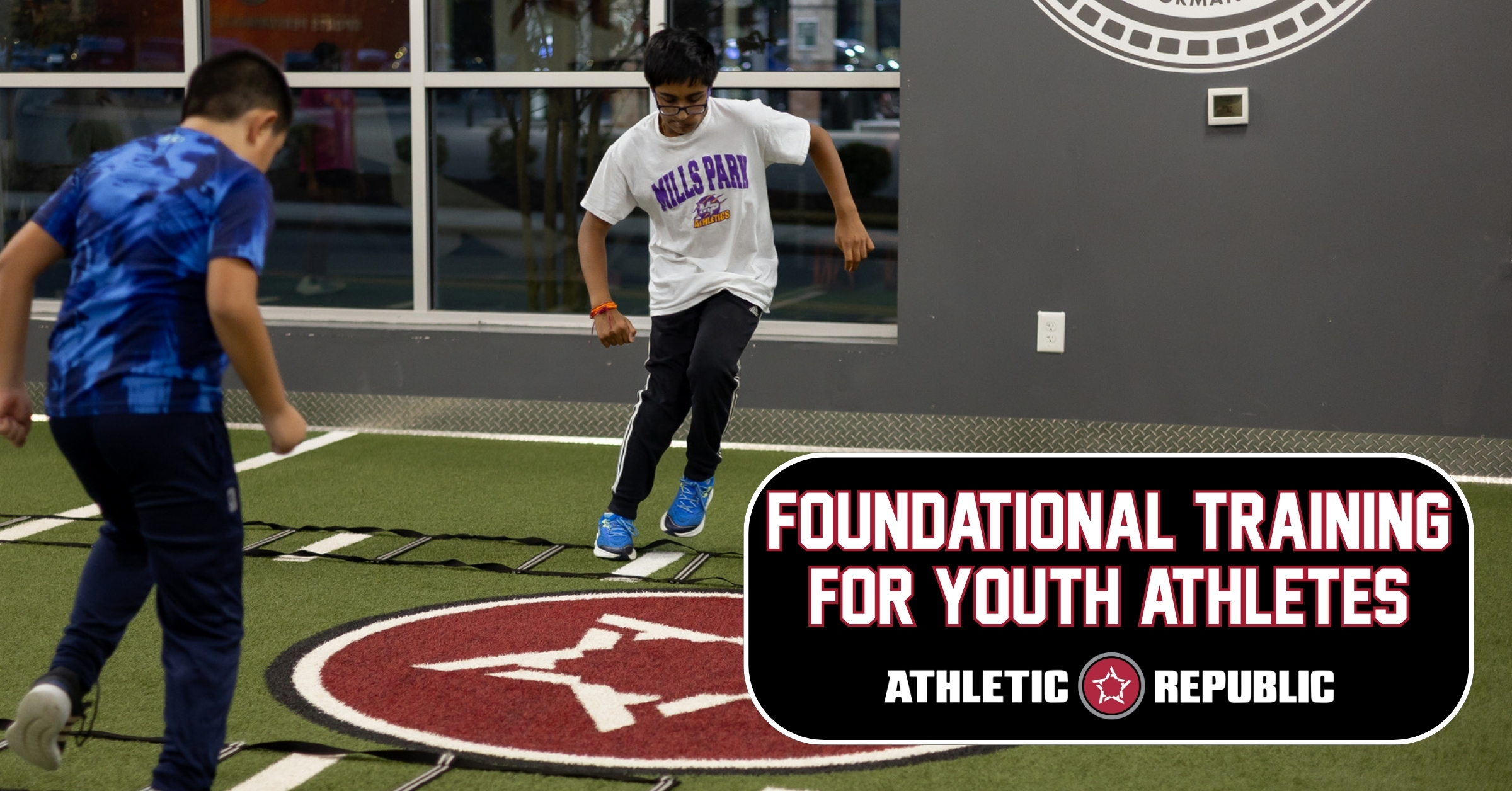
Fundamental movement skills
Balance and coordination
Body control and posture
Introductory speed mechanics
Safe acceleration and deceleration
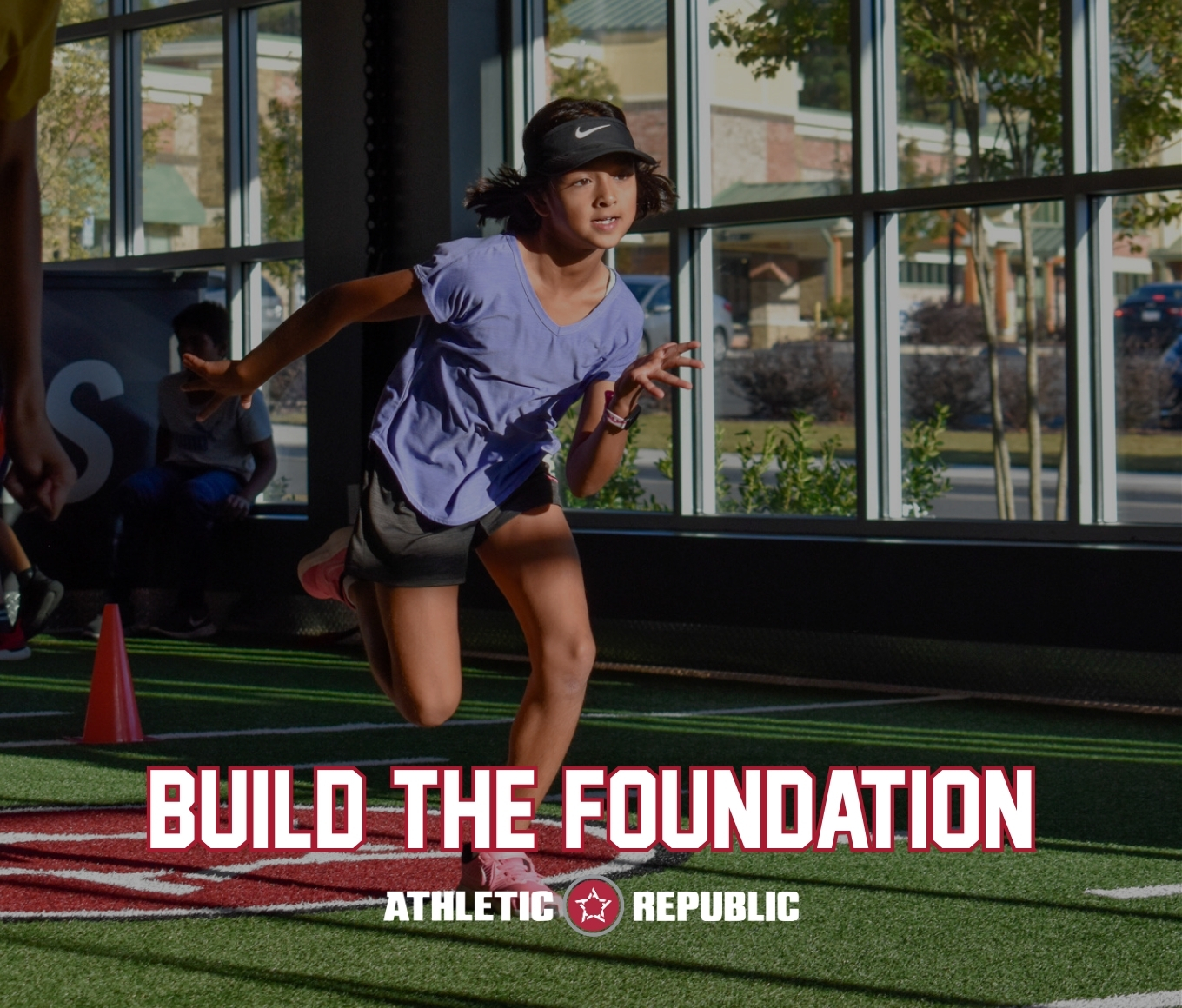
Our Ignition training is specifically designed for younger athletes ages 7 to 11 who are growing rapidly and need to develop fundamental movement skills, balance, and coordination that will launch them toward future success in sports .
The key is that it is developmentally appropriate. Kids are not mini adults. Their nervous systems are still learning how to coordinate movement. When training focuses on quality movement early, it creates cleaner mechanics and better habits as they grow.
Long Term Benefits That Go Beyond One Season
When young athletes build a strong athletic foundation, several things tend to happen over time:
They adapt more easily when switching sports
They learn new skills faster
They move more efficiently and confidently
They reduce their risk of preventable injuries
They enjoy sports more because their bodies feel capable
Instead of chasing short term performance boosts, foundational training sets kids up for long term development.
And because most 7 to 11 year olds will change sports at least once, often more than once, a broad base of athleticism becomes one of the most valuable investments you can make in their development.
Let Them Explore, But Build the Base
The goal at this age is not to create a specialist. It is to create an athlete.
Encourage your child to try different sports. Let them figure out what they love. At the same time, make sure they are developing the movement skills that will support whatever path they choose.
When foundational athleticism comes first, performance follows.