New York Magazine recently published a provocative investigation into the rapidly changing world of youth sports. Its title doesn’t leave much room for interpretation: “The Pay-to-Play Childhood.” The subhead is just as direct, describing how private leagues have driven the cost of youth sports up while making the experience more hypercompetitive and all-consuming, all while turning a serious profit for the investors behind it.
It’s a challenging read, especially for parents who recognize some part of their own family’s experience in it. The article is worth reading in full for the real-world families it follows, and reading it, most parents will probably see themselves in one of two places.
One of you has a kid already deep in that world: travel team, three practices a week, tournaments most weekends, a group chat that never stops buzzing about schedules, invoices for gear and travel that never showed up on the original price sheet, and an unspoken pressure to never be the family that steps back. The other one of you is standing at the starting line, with a seven or eight year old just beginning to explore sports, trying to figure out what “doing it right” looks like before the travel team recruiters start calling.
Beneath all of it is a bigger question worth asking: are we giving young athletes more opportunities, or simply asking them to do more? For parents trying to navigate youth sports today, that distinction matters, and the data behind it is worth pulling out on its own.
If Your Kid Is Already In It
Start with the odds, because most parents have never actually seen them written down. As the New York Magazine article highlights, roughly 2 percent of youth athletes go on to compete in Division I college sports, and about 0.05 percent play professionally. And yet in one anonymous survey the article cites, 11 percent of parents said they believe their child could go pro, while 44 percent admitted the potential for NIL money factored into signing their kid up for sports in the first place. Lucrative NIL deals remain rare even among the sliver of athletes who make it to college.
Roughly 2% of youth athletes compete in Division I college sports. About 0.05% go pro. — The Pay-to-Play Childhood, New York Magazine
A separate study of former NCAA athletes adds an important wrinkle here. Researchers found that fewer than one in five college athletes had specialized in a single sport before age 15, and specializing early didn’t improve their odds of earning a scholarship or reduce their injury rate once they got to college. It was, however, associated with more burnout, and specialization rates have climbed steadily by decade (Rugg et al., American Journal of Sports Medicine, 2021). In other words, most of the athletes who actually made it didn’t specialize young, and the ones who did weren’t better off for it.
None of that means the dream is foolish. It means the math and the emotional stakes have drifted apart, and that gap can fuel the pressure that contributes to burnout.
Here’s the part that should give every travel-sports parent pause: the article also reports that most kids quit organized sports entirely by age 13. Not switch sports. Quit. And the American Academy of Pediatrics has been sounding the alarm on why for years, early, intense specialization in one sport is linked to stress, burnout, and overuse injuries from doing the same repetitive motion over and over.
Most kids quit organized sports entirely by age 13. — The Pay-to-Play Childhood, New York Magazine
If your athlete is already showing signs of that fatigue, the answer usually isn’t walking away from the sport entirely. It’s stepping back, reducing the load, and rebuilding the physical foundation that got skipped in the rush to keep up with the schedule. That’s a very different conversation than “quit or push through,” and it’s one worth having before burnout makes the decision for you.
If You’re Just Getting Started
There’s no magic age where specialization suddenly becomes safe. But the consistent guidance from sports medicine experts is to hold off on locking a young athlete into one sport until at least the early teen years. Before that, variety isn’t a detour from development, it is the development.
The research backs this up at scale. A 2025 review pulling together 93 studies and more than 62,000 young athletes found that early specialization was linked to more injuries, worse physical performance, no consistent benefit to long-term sport success, and worse psychological outcomes overall (Luo et al., Clinics and Practice, 2025).
A review of 93 studies and 62,000+ young athletes found early specialization brought more injuries and no consistent competitive advantage. — Luo et al., Clinics and Practice, 2025
Most youth practice time is understandably built around game skills: dribbling, shooting, hitting, that’s what a season demands. What often doesn’t get the same dedicated time is how a young body moves in the first place, how to decelerate safely, land from a jump with control, or change direction without losing balance. Those are the skills that transfer across every sport a kid tries, and they’re also the skills most likely to get squeezed out when a schedule is already full. We wrote more about why that foundational window matters so much in Why Young Athletes Need Foundational Training Before They Specialize.
Why the Pressure Feels So Constant
Plenty of clubs and coaches provide tremendous experiences for young athletes, and none of what follows is about any one program or coach. It’s about a structural reality worth naming: what’s best for a young athlete and what keeps the broader youth sports ecosystem growing aren’t always the same thing. More teams, more tournaments, more camps and more travel create more opportunities, but at an industry level they also create more revenue. Scarcity language like “elite” and “select,” junior travel squads at premium prices, and packed schedules can leave parents feeling like saying no means allowing their athlete to fall behind.
That’s not a reason to be cynical about youth sports. It’s a reason for parents to feel comfortable asking whether every opportunity being offered is something their athlete actually needs.
Two Different Starting Points, One Approach
Whichever situation sounds like yours, the travel schedule already in motion or the sport still being discovered, the underlying need is the same. Athletes benefit from movement built correctly from the start, training that matches an athlete’s actual skill level and readiness rather than just their age, and enough flexibility that training itself never becomes one more source of burnout. That matters regardless of whether an athlete is chasing a scholarship, a shot at going pro, or simply a sport they love. The training underneath it should hold up either way.
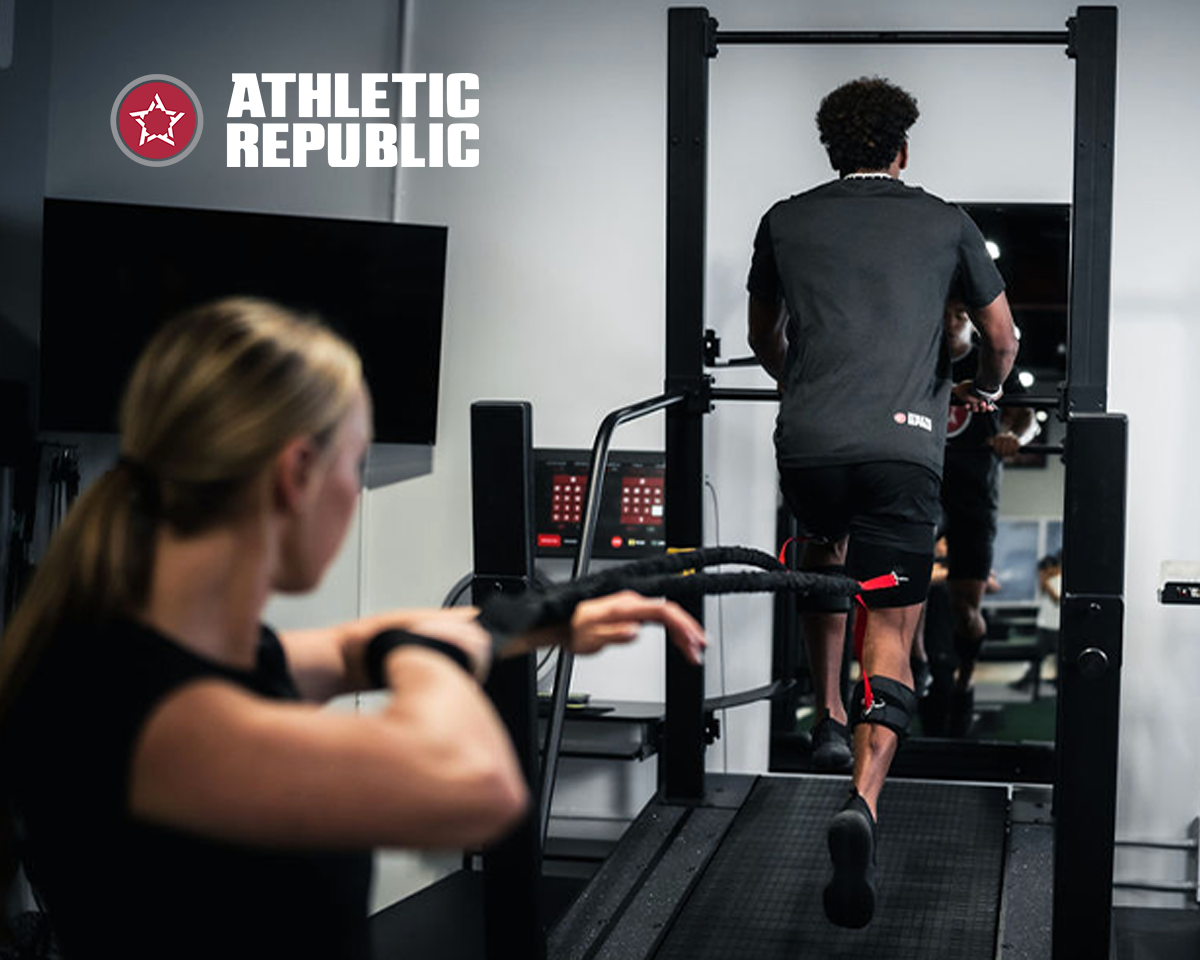
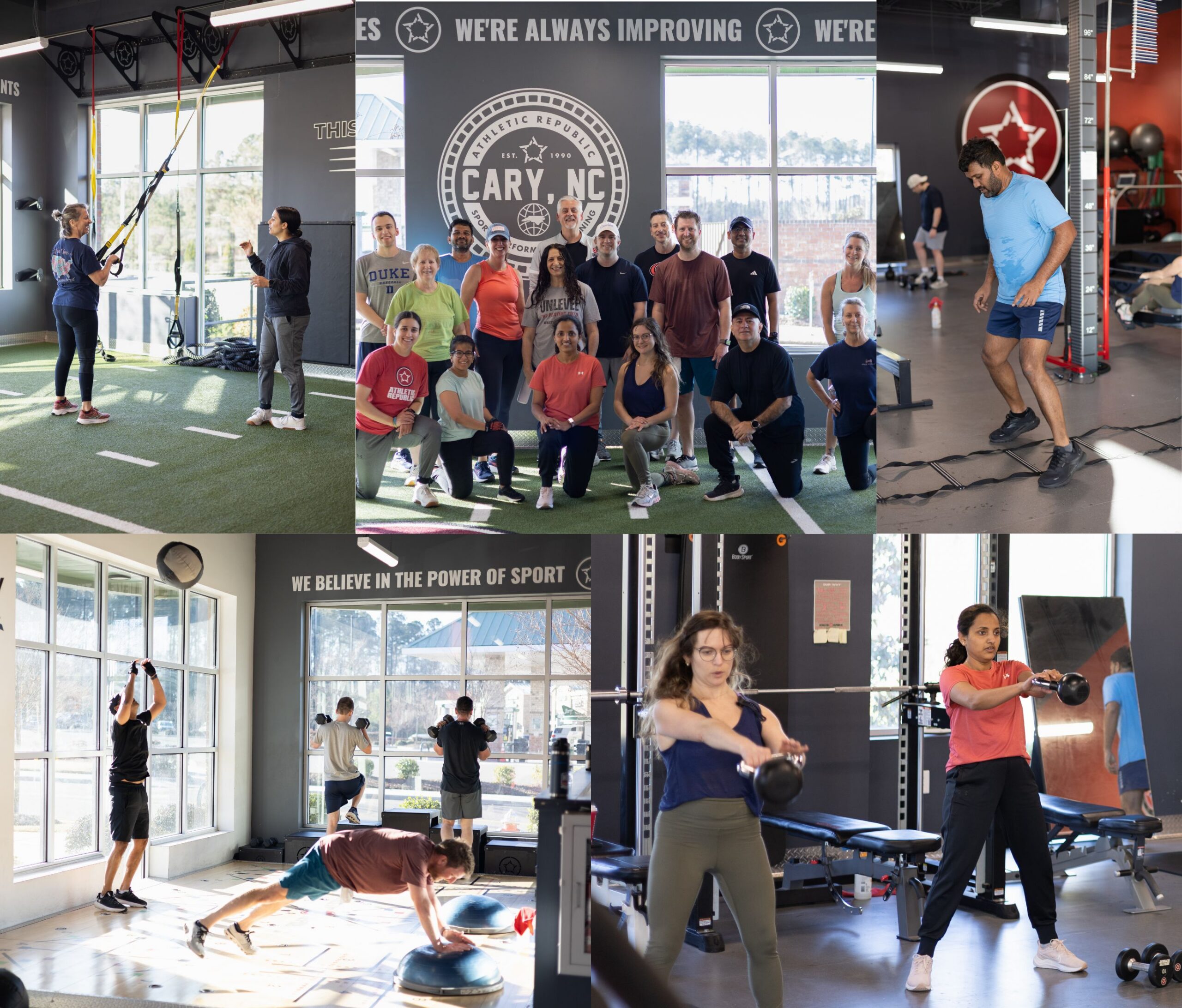
That’s the gap Athletic Republic is built to fill, as a complement to whatever sport an athlete plays, not a replacement for it. Training happens in small groups, so a trainer can push and challenge based on each athlete’s own age, motivation, and skill level, while still making sure form comes before intensity. Memberships and class cards flex with the season, scaling up in the off-season and back down once a sport’s in-season schedule takes over, instead of locking a family into a fixed commitment year-round. That flexibility is also what makes it possible to actually step back without stepping away, an athlete showing signs of burnout can scale down rather than quit the sport, or training, altogether. And because the training isn’t tied to one sport, it naturally builds in the variety that repetitive, sport-specific training doesn’t, one of the more overlooked ways to help guard against the burnout and overuse issues the research points to. Inside that environment, athletes can focus on getting better and building confidence, measuring progress against themselves rather than constantly comparing themselves to teammates.
That approach looks different depending on the age. In Ignition, for athletes 7 to 11, training is centered on foundational movement, coordination, balance, body control, movement mechanics and speed. At that age, development isn’t about chasing performance numbers or comparing one athlete to another. It’s about learning how to move well and building confidence in what their body can do. As athletes move into Acceleration, for ages 12 and up, we start layering in real performance testing and individualized protocols, the kind of structured, data-backed training explained in Why Your Athlete’s Training Plan Looks Different and How To Know If Your Athlete’s Training Is Actually Working.
And because performance training is a different discipline than a skills coach or a team coach, not a replacement for either, we’ve also written about where that role fits into the bigger picture in The Role of the Performance Trainer: The Missing Link in Complete Athlete Development.
Most kids don’t quit a sport because they stopped loving it. They quit because the version of it they were given wore them down before they got the chance to grow into it. Wherever your athlete is right now, deep into a demanding season or just lacing up for the first time, the goal is the same: build the athlete underneath the uniform, at a pace their body and their confidence can actually sustain, so they’re still playing, and still improving, well past 13.
Citations
https://nymag.com/intelligencer/article/youth-sports-private-equity-travel-leagues.html
See What the Data Says About Your Athlete
607 Mills Park Drive, Cary, NC 27519 (919) 230-0899 cary.athleticrepublic.com
Schedule a free trial session today.